Automatic Mechanical Spinner vs Other Fidget Toys
An automatic mechanical spinner — often called a squeeze spinner or press-to-spin spinner — is a new kind of fidget. Instead of one flick that fades, you press or squeeze a button and a mechanical converter keeps it spinning at up to ~3500 RPM, with no battery. That makes it a very different animal from squeeze toys, click cubes, and moldable putty. Here is how the new type stacks up against every popular fidget, honestly, so you can pick the right one for the job.
Automatic Mechanical Spinner vs a Classic Fidget Spinner
A classic fidget spinner is a three-armed toy that you flick once with a finger so it coasts freely on a central bearing until friction slows it to a stop.
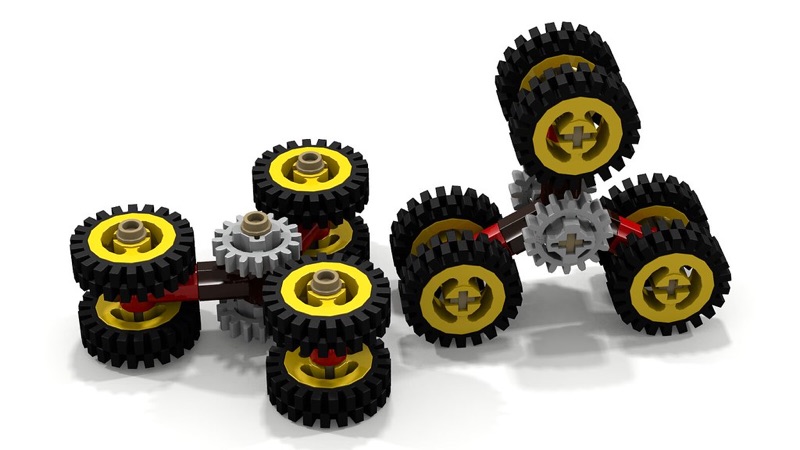
An automatic mechanical spinner is not really a rival to the classic fidget spinner — it is the next generation of the same idea, and it supersedes it. The classic spinner gives you one flick, a fading coast, and nothing more: no speed control, no ongoing engagement, just a wait while friction wins. Its successor replaces the flick with a thumb-driven mechanism — you press a button and a screw-and-ball converter turns each press into spin, so unlike a flick spinner it never has to wind down. Press again before the spin fades and you can keep it near 3500 RPM for as long as you like, battery-free, with its signature chain-bike sound.
As a spinner, the classic design is obsolete. Where it honestly survives is on practicality rather than spinning: it is completely silent, dirt cheap, school-friendly, and small enough to live in any pocket.
👍 Where an automatic mechanical spinner wins
- Thumb-driven spinning you can sustain near 3500 RPM — press again before the spin fades and it never has to stop
- Real engagement and speed control, plus a signature mechanical chain-bike sound, all battery-free
👎 Where a classic fidget spinner wins
- Completely silent and school-friendly, so it works in classrooms and quiet offices
- Dirt cheap and pocketable — one flick and you are done
Bottom line: Choose the new class of automatic mechanical spinner — it is the successor that makes the flick spinner obsolete — unless you specifically need something silent and dirt cheap, in which case the classic spinner still earns its place.
Automatic Mechanical Spinner vs a 3D-Printed Press-to-Spin Ball
A 3D-printed press-to-spin ball is a plastic ball-shaped spinner, printed from a free community 3D model, whose plunger drives a thin printed screw through a ratchet so the core spins up and briefly coasts on its bearings.
This is the only toy on this page built on the same principle as an automatic mechanical spinner: a spinning body decoupled on bearings, powered by your press, with no battery. The difference is entirely in the execution. The press-to-spin ball converts the push through a thin 3D-printed screw and a ratchet, with an external rubber band pulling the plunger back; an automatic mechanical spinner like Kaelix converts it through a precision screw-and-ball mechanism with a metal return spring, machined parts, and chromium steel bearings. That hardware gap is the whole story: the thin printed screw cannot take a hard press, so the ball spins slowly and coasts only briefly, while a spinner like Kaelix takes a full-force press and holds near 3500 RPM for as long as you keep pressing.
The weaknesses are inherent to the design, not just to bad print settings: the thin screw converter caps both speed and spin duration, the printed mechanism needs grease or a light lubricant to run smoothly, and the rubber-band return wears out quickly and has to be replaced. These balls are also typically sold as prints of a free community model, with no toy-safety certification. As the cheapest way to feel the press-to-spin principle — or as a fun print for anyone with a 3D printer — it is genuinely likeable; as a daily fidget it is not in the same class.
👍 Where an automatic mechanical spinner wins
- Precision screw-and-ball converter, metal return spring, and steel bearings — near 3500 RPM, sustained indefinitely, no lubrication or spare parts needed
- Built to survive millions of presses, with published toy-safety certifications on a well-made example such as Kaelix (ASTM F963, CPSIA, 16 CFR 1501, EN-71)
👎 Where a press-to-spin ball wins
- Price — it is a cheap 3D print, and if you own a printer the model is free
- A fun way to see the press-to-spin principle laid bare in printed plastic
Bottom line: Choose an automatic mechanical spinner for a fast, durable device — with certified options — that you will actually fidget with daily. Choose a 3D-printed press-to-spin ball if you want the cheapest possible taste of the same principle — or a weekend print — and can live with low speed, greasing, and rubber-band replacements. Full review: the HelixCore press-to-spin ball.
See current 3D-Printed Press-to-Spin Ball models on Amazon →
Automatic Mechanical Spinner vs Squishy Toys
Squishy toys are soft, slow-rising foam or gel objects you squeeze and knead for tactile stress relief.

An automatic mechanical spinner is a precision-engineered spinning machine rather than a soft squeeze toy. Where a squishy is passive and silent, an automatic mechanical spinner puts motion in your hand: you press a button and a mechanical screw-and-ball converter turns each press into spin, so it never has to stop — press again before the spin fades and you can keep it near 3500 RPM, with a chain-bike sound.
Squishies engage you through soft, repetitive squeezing; the automatic mechanical spinner engages you through speed, momentum, and audible feedback you actively build up. In fact, the squeezing itself plays the same calming role — the automatic mechanical spinner just rewards each squeeze with intense visual and sensory feedback: rising speed you can see and hear.
👍 Where an automatic mechanical spinner wins
- Dynamic, thumb-powered spinning you can keep near 3500 RPM with occasional presses
- Durable, drop-proof build with real mechanical feedback rather than soft foam
👎 Where squishy toys win
- Silent, soft, and soothing for calming or anxiety relief
- Very safe and cheap, with nothing to break for small children
Bottom line: Choose an automatic mechanical spinner if you want an engaging, high-speed mechanical device you drive by hand. Choose squishy toys if you want quiet, soft, tactile stress relief you can squeeze anywhere.
Automatic Mechanical Spinner vs a Fidget Cube
A fidget cube is a small handheld cube with a different fidget feature on each face, such as clickable buttons, a switch, a dial, and a joystick.
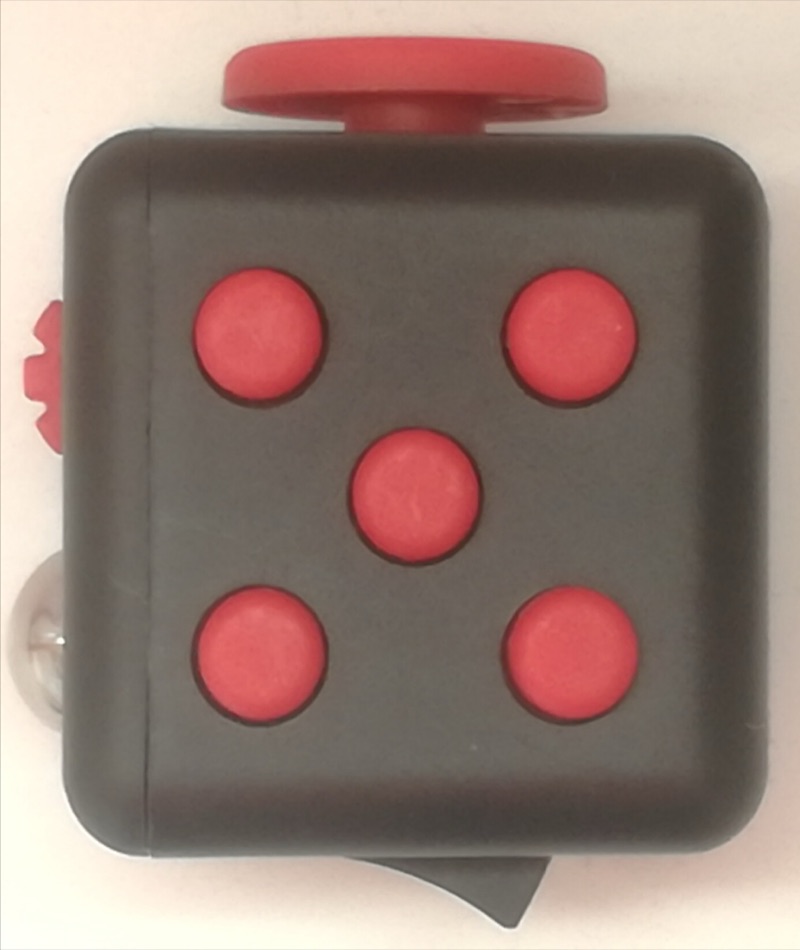
An automatic mechanical spinner does one thing extraordinarily well rather than offering many small fidgets. A fidget cube spreads several quiet tactile features across its faces. An automatic mechanical spinner instead centers on one signature behavior: you press a button and a screw-and-ball converter turns each press into spin, so it never has to stop — top it up with another press before the spin fades and it climbs to about 3500 RPM with a mechanical chain-bike sound.
The cube is a discreet menu of little clicks and switches; the automatic mechanical spinner is a single powered spinning experience with real speed and momentum.
👍 Where an automatic mechanical spinner wins
- Button-driven spinning you can sustain near 3500 RPM with occasional presses
- Well-made, durable build that lasts, with a distinctive chain-bike sound
👎 Where a fidget cube wins
- Multiple quiet fidget options on one small, pocketable device
- Silent and discreet enough for meetings and classrooms
Bottom line: Choose an automatic mechanical spinner if you want one deeply engaging, high-speed spinning motion. Choose a fidget cube if you prefer a variety of quiet, subtle fidgets in a single pocket-sized toy.
Automatic Mechanical Spinner vs the Ono Roller
The Ono Roller is a premium weighted handheld roller you glide back and forth on a rolling ball for a smooth, meditative tactile sensation.
An automatic mechanical spinner is about active, powered motion rather than the slow, meditative glide of an Ono Roller. The Ono Roller soothes through a silent rolling-ball sensation you move by hand. An automatic mechanical spinner works the opposite way: you press a button and a mechanical screw-and-ball converter turns each press into spin, so it never has to stop — press again before the spin fades and you can keep it near 3500 RPM, with a chain-bike sound.
Both are well-made desk objects, but one is calm and silent while the other is fast, kinetic, and audible.
👍 Where an automatic mechanical spinner wins
- Thumb-powered spinning you can keep near 3500 RPM with occasional presses
- Energetic mechanical chain-bike sound and momentum you build with your thumb
👎 Where the Ono Roller wins
- Silent, smooth, and meditative for calming and stress relief
- Simple, elegant motion with nothing to wind up or power
Bottom line: Choose an automatic mechanical spinner if you want fast, kinetic, hands-on motion with audible feedback. Choose the Ono Roller if you want a quiet, meditative rolling sensation for calm focus.
Automatic Mechanical Spinner vs Fidget Sliders
Fidget sliders are small metal devices with a magnetically damped slider you push back and forth for a smooth, satisfying click or glide.
An automatic mechanical spinner delivers thumb-sustained powered motion rather than the back-and-forth glide of a fidget slider. A slider gives a smooth, magnetic push-and-return you repeat by hand. An automatic mechanical spinner is built around a different action: you press a button and a screw-and-ball converter turns each press into spin, so unlike a flick spinner it never has to wind down — top it up before the spin fades and it climbs to about 3500 RPM with a mechanical chain-bike sound.
The slider is a compact, quiet, repetitive motion; the automatic mechanical spinner is a spinning machine you actively drive to real speed.
👍 Where an automatic mechanical spinner wins
- Button-driven spinning you can sustain near 3500 RPM with occasional presses
- Rich chain-bike sound and momentum instead of a short back-and-forth stroke
👎 Where fidget sliders win
- Silent, smooth magnetic action that is discreet in any setting
- Very compact and pocketable for one-handed fidgeting anywhere
Bottom line: Choose an automatic mechanical spinner if you want high-speed, powered spinning with real momentum and sound. Choose fidget sliders if you want a quiet, pocketable, repetitive glide for subtle fidgeting.
Automatic Mechanical Spinner vs Stress Balls
A stress ball is a small squeezable foam or gel ball you clench in your palm to release tension.
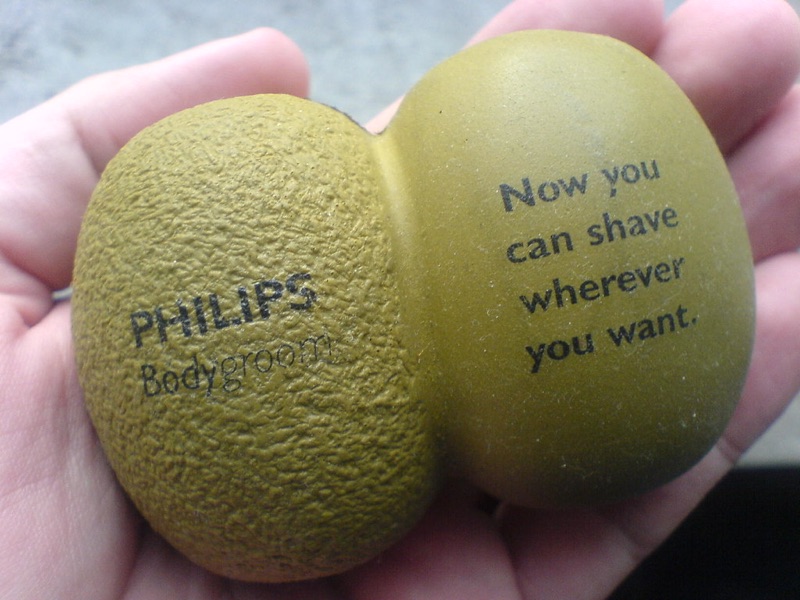
An automatic mechanical spinner is a completely different device from a stress ball. You press a button and a screw-and-ball converter keeps the spinner going — it never has to wind down the way an ordinary flick spinner does, climbing to roughly 3500 RPM with a mechanical chain-bike sound and no battery. A stress ball, by contrast, does one thing: you squeeze it and it slowly pushes back.
They serve different urges. The spinner rewards repeated thumb presses and gives you sustained motion and audible feedback; the stress ball rewards a full-hand grip and pure silent resistance.
👍 Where an automatic mechanical spinner wins
- Continuous press-to-keep-spinning motion at up to about 3500 RPM — press again before the spin fades and it never has to stop
- Rich mechanical chain-bike sound and solid, built-to-last feel a foam ball cannot match
👎 Where Stress Balls win
- Silent, so they work in classrooms, libraries and shared offices
- Cheap, soft and safe to squeeze hard for grip-strength and tension release
Bottom line: Choose an automatic mechanical spinner if you want continuous, high-speed mechanical spinning with tactile and audible feedback. Choose a stress ball if you want a silent, squeezable way to release tension anywhere.
Automatic Mechanical Spinner vs Slow-Rising Stress Balls
A slow-rising stress ball is a soft squishy toy that, once compressed, gradually re-expands to its original shape over several seconds.
An automatic mechanical spinner works nothing like a slow-rising stress ball. Press its button and a screw-and-ball converter keeps the spinner turning — press again before the spin fades and it never has to stop, reaching about 3500 RPM battery-free with a mechanical chain-bike sound. A slow-rising squishy has no motion of its own: you crush it and then watch it creep slowly back to shape.
One is about fast, continuous rotation you actively drive with your thumb; the other is about a slow, mesmerising rebound you passively watch.
👍 Where an automatic mechanical spinner wins
- Press-to-keep-spinning motion that never has to wind down the way a flick spinner does, up to roughly 3500 RPM
- Durable, drop-proof build with a distinctive chain-bike sound, versus foam that tears and yellows
👎 Where Slow-Rising Stress Balls win
- Silent and soothing, with a hypnotic slow rebound to watch
- Feather-light, pocketable and gentle enough for very young children
Bottom line: Choose an automatic mechanical spinner if you want continuous high-speed spinning you control by pressing a button. Choose a slow-rising stress ball if you want a quiet, squishy toy with a calming slow-motion rebound.
Automatic Mechanical Spinner vs the Shashibo Cube
The Shashibo Cube is a magnetic puzzle box that folds and rearranges into more than 70 geometric shapes.
An automatic mechanical spinner and the Shashibo Cube scratch very different itches. The spinner is a motion device: you press a button and a screw-and-ball converter keeps it spinning — press again before the spin fades and it never has to stop — up to about 3500 RPM, battery-free, with a mechanical chain-bike sound. The Shashibo is a static shape-shifting puzzle you fold, twist and rearrange with both hands.
The spinner is about continuous rotation and audible feedback; the Shashibo is about endless quiet reconfiguration and satisfying magnetic snaps.
👍 Where an automatic mechanical spinner wins
- Continuous press-to-keep-spinning action reaching roughly 3500 RPM without ever having to stop — just press again before the spin fades
- Instant one-button gratification and a mechanical chain-bike sound, no problem-solving required
👎 Where the Shashibo Cube wins
- Silent, so it is welcome in classrooms and meetings
- Endlessly reconfigurable into 70-plus shapes for open-ended, creative play
Bottom line: Choose an automatic mechanical spinner if you want continuous high-speed spinning and mechanical feedback at the press of a button. Choose the Shashibo Cube if you want a silent, endlessly transforming puzzle for the hands and mind.
Automatic Mechanical Spinner vs Silicone Magnetic Balls
Silicone magnetic balls are a string of soft-coated magnetic spheres you can pull apart, roll, click together and reshape.
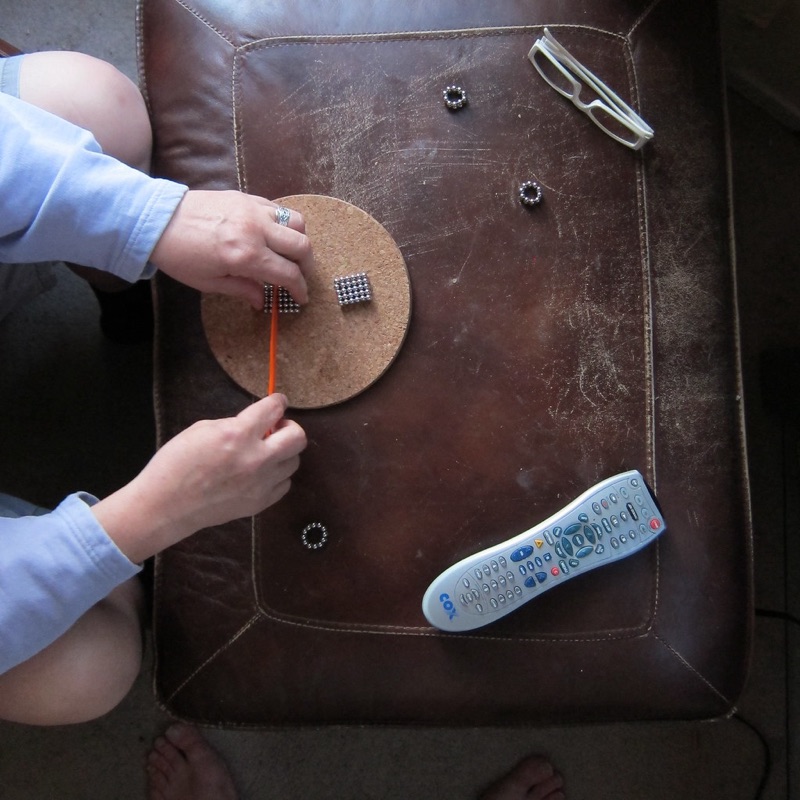
An automatic mechanical spinner is built around motion in a way silicone magnetic balls are not. Press its button and a screw-and-ball converter keeps the spinner going — it never has to stop as long as you press again before the spin fades, hitting about 3500 RPM battery-free with a mechanical chain-bike sound. Silicone magnetic balls have no moving mechanism at all: they click, snap and roll only as much as your fingers move them.
The spinner delivers fast, thumb-sustained rotation you drive by pressing; the magnetic balls deliver quiet, tactile clicking and endless reshaping.
👍 Where an automatic mechanical spinner wins
- Press-to-keep-spinning motion up to roughly 3500 RPM that never has to stop — press again before the spin fades
- One solid, safe object rather than many small magnets, with a chain-bike sound
👎 Where Silicone Magnetic Balls win
- Silent, endlessly reconfigurable clicking and rolling for the fingers
- Softer than bare metal magnets and easy to slip in a pocket
Bottom line: Choose an automatic mechanical spinner if you want continuous, high-speed spinning you control with a button. Choose silicone magnetic balls if you want a quiet, moldable set of magnets to click and reshape.
Automatic Mechanical Spinner vs a Keyboard Fidget Keychain
A keyboard fidget keychain is a pocket-sized keyring with a few clicky mechanical keyswitches you can press for tactile clicks.
An automatic mechanical spinner offers a very different experience from a keyboard fidget keychain. Press the spinner button and a screw-and-ball converter keeps it turning — it never has to wind down the way a flick spinner does, climbing to about 3500 RPM battery-free with a mechanical chain-bike sound. A keyboard keychain has no motion at all: it just gives you a small set of switches to click over and over.
The spinner is about continuous spinning motion and momentum; the keychain is about repetitive clicky tactile feedback in a tiny pocket form.
👍 Where an automatic mechanical spinner wins
- Continuous press-to-keep-spinning motion at up to roughly 3500 RPM — press again before the spin fades and it never has to stop
- Visible spinning and a chain-bike sound, a far richer sensory payoff than a click
👎 Where a Keyboard Fidget Keychain wins
- Tiny and clips to your keys, so it is always with you
- Quiet, repetitive clicking that is easy to do discreetly one-handed
Bottom line: Choose an automatic mechanical spinner if you want continuous high-speed spinning and mechanical feedback from a button press. Choose a keyboard fidget keychain if you want an ultra-portable, quietly clicky fidget on your keyring.
Automatic Mechanical Spinner vs Nee-Doh (Needoh)
Nee-Doh is a squishy dough-filled stress ball that you stretch, squeeze and mold before it slowly settles back.
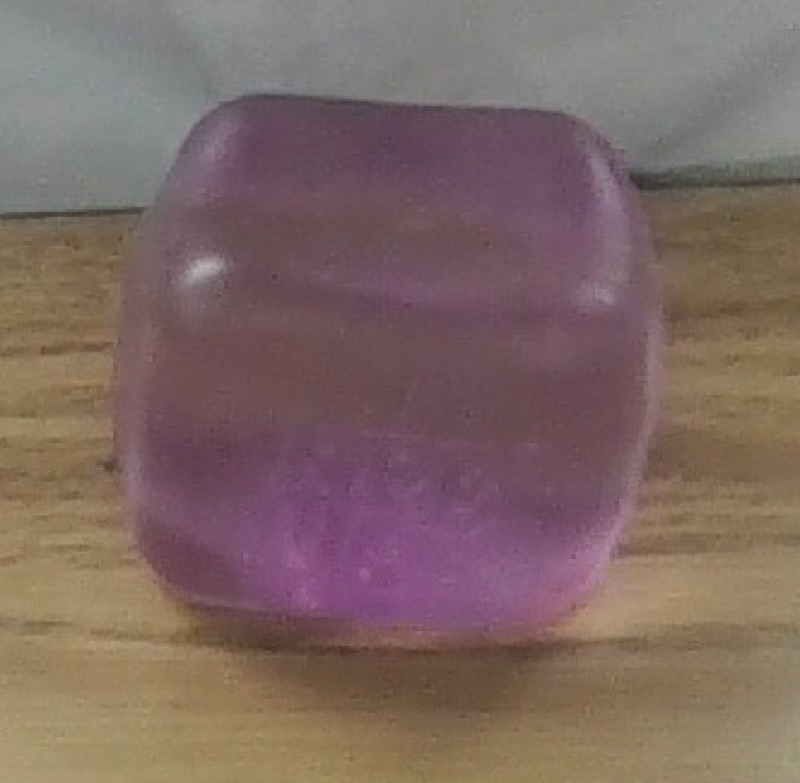
An automatic mechanical spinner is a motion device, whereas Nee-Doh is a squishy hand toy. Press the spinner button and a screw-and-ball converter keeps it going — press again before the spin fades and it never has to stop, reaching about 3500 RPM battery-free with a mechanical chain-bike sound. A Nee-Doh has no mechanism: you squeeze, stretch and mold it, and it slowly relaxes back to shape.
The spinner gives you fast rotation and audible feedback you sustain with your thumb; the Nee-Doh gives you soft, silent squishing and stretching.
👍 Where an automatic mechanical spinner wins
- Press-to-keep-spinning motion up to roughly 3500 RPM that never has to stop — press again before the spin fades
- Durable, drop-proof build and a chain-bike sound, versus dough that can eventually split or leak
👎 Where Nee-Doh wins
- Silent, soft and squishy, so it works in class and calms the hands
- Very cheap, forgiving and safe for younger children to squeeze and stretch
Bottom line: Choose an automatic mechanical spinner if you want continuous high-speed spinning you control by pressing a button. Choose Nee-Doh if you want a quiet, squishy ball to squeeze, stretch and mold.
Automatic Mechanical Spinner vs the Impossible Cone Toy
The Impossible Cone is a double-cone novelty desk toy that appears to roll uphill and defy gravity when placed on an inclined track.
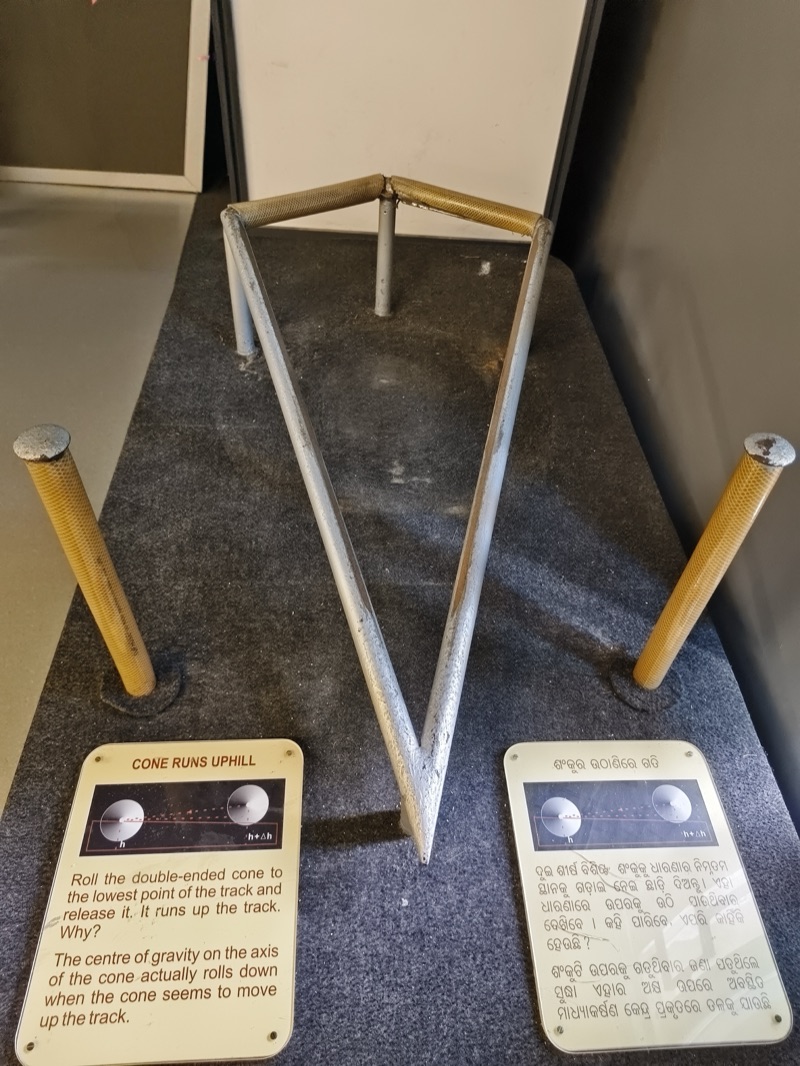
An automatic mechanical spinner is a completely different category from the Impossible Cone. Its defining feature: you press a button and a mechanical screw-and-ball converter keeps the rotor spinning continuously — it never has to coast to a stop the way a rolled cone does. Every press adds energy, so you can build up to around 3500 RPM and keep it near that speed with occasional presses, battery-free, with a distinctive chain-bike sound.
The cone is a physics illusion you set up, watch once, then reset; the spinner is hands-on, powered motion you drive and re-drive indefinitely.
👍 Where an automatic mechanical spinner wins
- Press-to-keep-spinning mechanism that never has to stop — press again before the spin fades
- High, controllable speed near 3500 RPM with audible and visual feedback
👎 Where the Impossible Cone wins
- Completely silent, so it never distracts anyone nearby
- A clever gravity illusion that surprises first-time viewers
Bottom line: Choose an automatic mechanical spinner if you want continuous, powered spinning you keep feeding with your thumb. Choose the Impossible Cone if you want a silent conversation-piece illusion to demonstrate.
Automatic Mechanical Spinner vs the Morf Worm
The Morf Worm is a stretchy jointed tube toy you flip, twist and morph between shapes in your hands.
An automatic mechanical spinner differs from the Morf Worm in the most fundamental way: it is a precision spinning device, not a soft manipulative. Its converter is the whole point — you press a button and a mechanical screw-and-ball mechanism keeps the rotor spinning continuously, so it never has to stop as long as you press again before the spin fades, and each press lets you climb toward roughly 3500 RPM, all battery-free.
The worm is about quiet, endless flipping and twisting; the spinner is about powered rotation and mechanical feel, complete with a chain-bike sound as it turns.
👍 Where an automatic mechanical spinner wins
- Continuous press-to-keep-spinning motion no soft fidget can match
- Well-made, durable build and high controllable speed for absorbing, repeatable fidgeting
👎 Where the Morf Worm wins
- Silent and school-friendly, safe to use anywhere
- Pocketable and cheap, ideal for taking on the go
Bottom line: Choose an automatic mechanical spinner if you want powered, high-speed rotation with real mechanical feedback. Choose the Morf Worm if you need something silent, pocketable and quiet enough for school.
Automatic Mechanical Spinner vs Putty and Slime Toys
Putty and slime are soft, moldable compounds you squish, stretch and shape for silent tactile play.
An automatic mechanical spinner stands apart from putty and slime because it is a machine, not a moldable material. Its defining behavior is that you press a button and a mechanical screw-and-ball converter keeps the rotor spinning continuously — it never has to stop if you press again before the spin fades, and you can pump it up to about 3500 RPM by thumb alone, with no batteries and a chain-bike sound.
Putty and slime give you formless squishing; the spinner gives you sustained, controllable rotation and a solid, well-made object in the hand.
👍 Where an automatic mechanical spinner wins
- Press-to-keep-spinning action delivers active, high-speed motion rather than passive squeezing
- Clean, durable device that never dries out, sticks, or collects dust
👎 Where putty and slime win
- Completely silent and deeply tactile for calming stress
- Very cheap and great for open-ended squeeze play
Bottom line: Choose an automatic mechanical spinner if you want powered, high-speed spinning in a lasting object. Choose putty or slime if you want silent, moldable, squeezable play on a budget.
Automatic Mechanical Spinner vs a Slow-Rising Butter Squishy
A slow-rising butter squishy is a soft foam toy you press and then watch slowly return to its original shape.
An automatic mechanical spinner could hardly be more different from a slow-rising butter squishy. Instead of a slow return to shape, its mechanism kicks in when you press a button: a mechanical screw-and-ball converter keeps the rotor spinning continuously, so it never has to stop — press again before the spin fades. Each press adds speed toward roughly 3500 RPM, battery-free, accompanied by a chain-bike sound.
The squishy is about a soft, slow visual rebound; the spinner is about active, high-speed motion you keep alive with your thumb.
👍 Where an automatic mechanical spinner wins
- Continuous powered spinning versus a brief squeeze-and-wait
- Fast, controllable rotation with rich tactile and audible feedback in a durable, drop-proof body
👎 Where the butter squishy wins
- Silent and soothing, perfect for calming and quiet rooms
- Soft, squeezable and gentle in the hand for relaxation
Bottom line: Choose an automatic mechanical spinner if you want sustained, high-speed motion you control. Choose the butter squishy if you want a soft, silent squeeze-and-watch fidget.
Automatic Mechanical Spinner vs a Sensory Worry Stone
A worry stone is a smooth pocket stone with a thumb indentation you rub in slow circles for a calming effect.
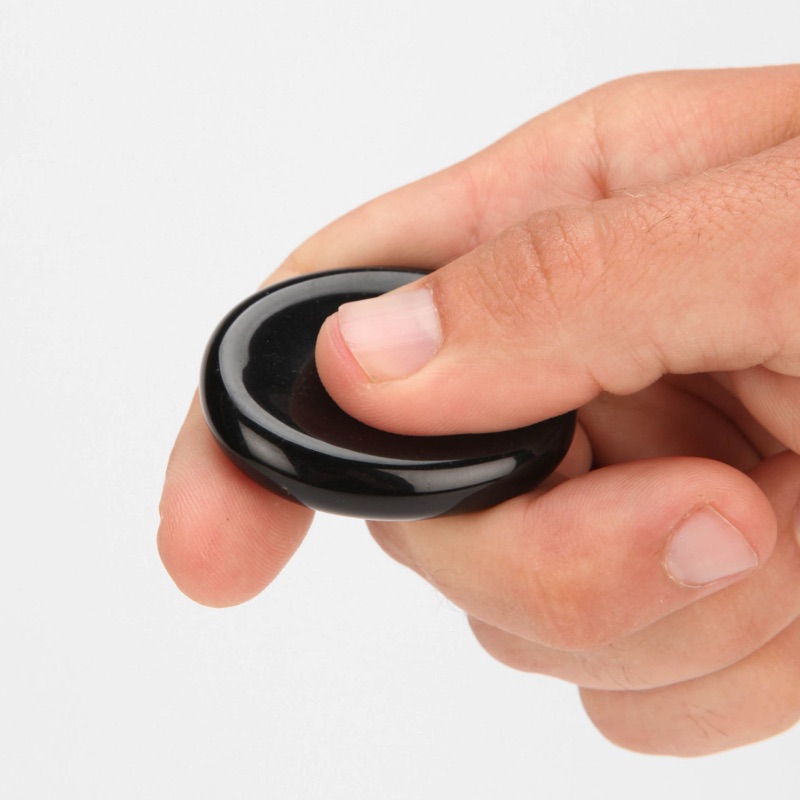
An automatic mechanical spinner is a mechanical device rather than a passive comfort object like a worry stone. Its defining feature is press-to-keep-spinning: a mechanical screw-and-ball converter keeps the rotor spinning continuously — it never has to stop if you press again before the spin fades, and every press builds toward about 3500 RPM, battery-free, with a distinctive chain-bike sound as it turns.
The worry stone offers a quiet, rubbing ritual; the spinner offers active, powered motion and mechanical engagement you drive with your thumb.
👍 Where an automatic mechanical spinner wins
- Press-to-keep-spinning motion gives active, high-speed engagement, not just rubbing
- Well-made, durable build with strong tactile and audible feedback
👎 Where the worry stone wins
- Silent and fully discreet, unnoticeable in public
- Truly pocketable and calming for anxiety on the go
Bottom line: Choose an automatic mechanical spinner if you want powered, high-speed spinning with mechanical feedback. Choose a worry stone if you want a silent, pocketable object for quiet grounding.
Automatic Mechanical Spinner vs Finger Spinner Rings
A finger spinner ring is a wearable band with a smooth outer sleeve that idles freely around your finger so you can spin it with your thumb.
An automatic mechanical spinner is a whole new device type, not a wearable ring. Its defining trick is that you press a button and a mechanical screw-and-ball converter keeps it spinning continuously — it does not have to coast to a stop the way a ring does the moment you stop flicking. Thumb it up toward about 3500 RPM, all battery-free, with a distinctive chain-bike sound.
A finger ring, by contrast, is passive and near-silent: it whirs for a second or two, decays, and needs another flick. There is no mechanism, no sustained speed, and no audible feedback.
👍 Where an automatic mechanical spinner wins
- Press-to-keep-spinning converter — top it up before the spin fades and it never has to stop
- Reaches roughly 3500 RPM with rich tactile and chain-bike audio feedback
👎 Where the finger spinner ring wins
- Wearable, pocketable, and effectively silent for stealthy class or meeting use
- Cheaper, and it stays on your finger so you can fidget hands-free
Bottom line: Choose an automatic mechanical spinner if you want continuous, high-speed spinning with real mechanical feedback. Choose a finger spinner ring if you want something wearable, silent, and cheap you can fidget with unnoticed.
Automatic Mechanical Spinner vs Magnetic Fidget Rings
Magnetic fidget rings are a set of linked magnetic bands you roll, flip, and slide across your fingers and knuckles.
An automatic mechanical spinner is a powered-by-your-thumb spinning device, not a set of rolling magnets. Its mechanism is the key difference: you press a button and a mechanical screw-and-ball converter keeps it spinning up to about 3500 RPM — press again before the spin fades and it never has to stop — and it is completely battery-free while making a distinctive chain-bike sound.
Magnetic rings offer no spinning at all. They are a manipulation toy: you clink, roll, and reshape them across your knuckles for a quiet, tactile fidget with no sustained motion or mechanism.
👍 Where an automatic mechanical spinner wins
- Continuous mechanical spin you top up with your thumb before it fades
- High-speed roughly 3500 RPM action with a satisfying chain-bike sound
👎 Where the magnetic fidget rings win
- Quiet, endlessly re-configurable manipulation across the fingers
- Tiny, wearable, and inexpensive to carry everywhere
Bottom line: Choose an automatic mechanical spinner if you want sustained high-speed spinning and mechanical feedback. Choose magnetic fidget rings if you prefer a quiet, wearable toy you can roll and reshape in your hands.
Automatic Mechanical Spinner vs an Infinity Cube
An infinity cube is a set of eight small hinged blocks that fold in on themselves endlessly in a smooth, repeating motion.
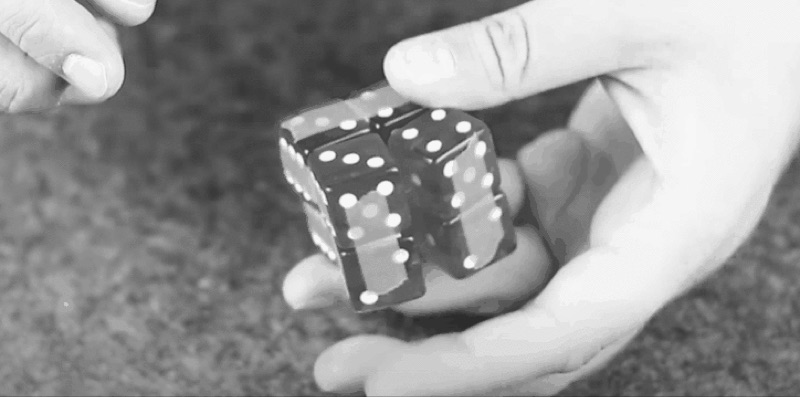
An automatic mechanical spinner is defined by one thing an infinity cube can never do: you press a button and a screw-and-ball converter keeps it spinning up to about 3500 RPM, and a press before the spin fades means it never has to stop. It is battery-free and makes a chain-bike sound as it runs, so it delivers real rotational speed rather than folding motion.
An infinity cube stays in your palm and never spins. Its appeal is the repetitive, foldable clicking of the blocks — a compact, meditative loop with no mechanism to drive speed.
👍 Where an automatic mechanical spinner wins
- Press-to-keep-spinning converter that sustains speed as long as you keep pressing
- Fast roughly 3500 RPM rotation with distinctive chain-bike feedback
👎 Where the infinity cube wins
- Near-silent, two-handed folding that is discreet in class or meetings
- Pocket-sized, durable, and low cost
Bottom line: Choose an automatic mechanical spinner if you want continuous high-speed spinning with mechanical feedback. Choose an infinity cube if you want a quiet, foldable palm fidget for repetitive, meditative movement.
Automatic Mechanical Spinner vs Magnetic Putty
Magnetic putty is a stretchable silicone-like putty infused with iron particles so it slowly moves toward and engulfs a magnet.
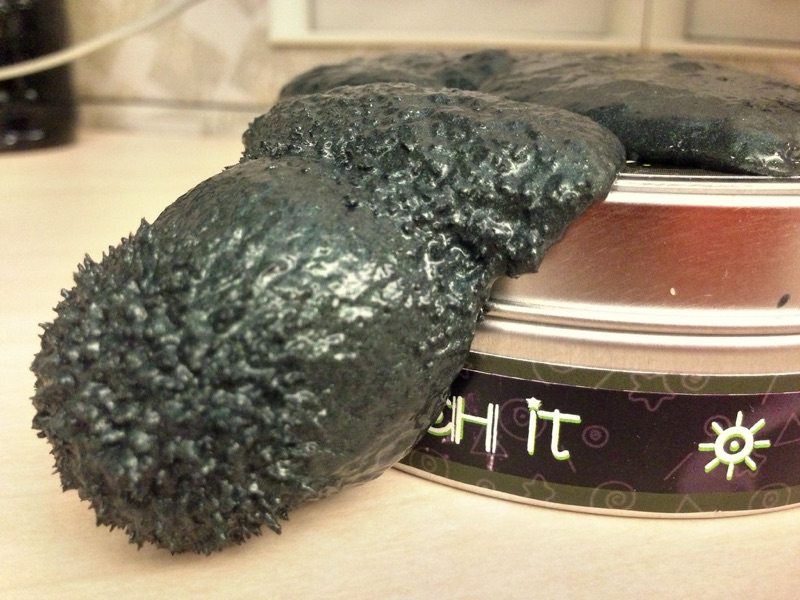
An automatic mechanical spinner is a precision spinning device, the opposite of a formless putty. Its mechanism means you press a button and a mechanical screw-and-ball converter keeps it spinning — press again before the spin fades and it never has to stop — climbing toward about 3500 RPM, all battery-free, with an unmistakable chain-bike sound.
Magnetic putty does not spin at all. It stretches, oozes, and creeps toward a magnet in slow motion, a tactile squeeze-and-pull material fidget with no mechanism, no speed, and no moving parts to drive.
👍 Where an automatic mechanical spinner wins
- Sustained mechanical spin you keep feeding with your thumb before it fades
- Roughly 3500 RPM top speed with rich chain-bike tactile and audio feedback
👎 Where the magnetic putty wins
- Squishy, moldable, stress-relief sensory play with an eye-catching magnet trick
- Very cheap and endlessly reshapeable with no parts to wear out
Bottom line: Choose an automatic mechanical spinner if you want fast, continuous spinning and mechanical feedback. Choose magnetic putty if you want a squishy, moldable sensory material for hands-on stress relief.
Automatic Mechanical Spinner vs Magnetic Sliders
A magnetic slider is a handheld fidget where a weighted piece glides back and forth on magnets, giving a smooth, repeating push-pull sensation.
An automatic mechanical spinner rotates rather than slides, and it does so continuously. Its trick is the difference: you press a button and a screw-and-ball converter keeps it spinning as long as you keep pressing, up toward about 3500 RPM — completely battery-free and voiced by its signature chain-bike sound.
A magnetic slider never spins. It offers a linear back-and-forth glide, a smooth repetitive push-pull driven only by magnets, with no sustained motion and no mechanism building speed.
👍 Where an automatic mechanical spinner wins
- Thumb-driven rotation you top up with a press before it fades
- High roughly 3500 RPM speed with distinctive chain-bike feedback
👎 Where the magnetic slider wins
- Smooth, quiet, one-handed glide that is discreet and rhythmic
- Compact, pocketable, and inexpensive
Bottom line: Choose an automatic mechanical spinner if you want continuous high-speed spinning with mechanical feedback. Choose a magnetic slider if you prefer a quiet, rhythmic back-and-forth glide you can fidget with one-handed.
Automatic Mechanical Spinners: Safety, Sound, Age & Use
Can you injure yourself with an automatic mechanical spinner?
In the described normal-use case, obstruction stops the rotor: the flywheel stores its energy in smooth, balanced rotation, so a finger pushed into a well-engineered spinner at peak speed stops it rather than being cut or caught. At most you might feel a mildly unpleasant knock from a small, thin finger such as a little finger, which is hard to do during normal play. Still, treat it like any fast-spinning object — and note that lower-cost copies that skip engineering and safety testing cannot be assumed to behave the same way.
What safety precautions should I take with an automatic mechanical spinner?
Just common sense. Keep it away from your face and other tender parts of the body, and away from fragile objects while it is spinning fast. It does not come apart, so there are no small parts to lose or swallow, but like anything spinning at speed it stores energy — an accidental drop or knock while it is running could cause a minor injury, mark a surface, or break something fragile. Handle it with the same care you would any fast-spinning object.
Will an automatic mechanical spinner survive a drop?
Yes. A well-made one is built from durable plastic around a metal mechanism, so it shrugs off dozens of accidental drops onto hard floors and everyday knocks. Short of deliberately setting out to destroy it, normal drops will not break it.
Do automatic mechanical spinners jam?
A well-made one is designed not to — Kaelix reports no jamming across millions of test presses, when new or after years of daily use. Lower-cost copies are another matter: they can jam, and when they do it is often irreversible, seizing the mechanism and ruining the spinner.
Do the bearings in an automatic mechanical spinner degrade over time?
Yes, honestly — bearings wear, and a worn bearing becomes louder. But the spinner generally continues to work; wear changes the sound before it stops anything. The free-spin time can and will lessen too, though not to the point of dissatisfaction — and better-built spinners use two bearings to share the load, which spreads the wear and slows it down. Cheap copies often cut this to a single bearing, which concentrates the load and makes them wear faster. For example, Kaelix runs on two 688 chromium steel bearings for exactly that reason.
Does the spin duration of an automatic mechanical spinner degrade over time?
Yes, as the bearings wear the free-spin duration decreases. In practice this is negligible for an automatic mechanical spinner, because the concept does not depend on coasting: the main satisfaction comes from the continuous squeezing, and a press always brings the speed right back. Coast time is the whole product in a flick spinner — here it is a side effect.
Are squeezable spinners a novelty?
Yes — they are genuinely new. The squeezable (squeeze-to-spin) automatic mechanical spinner is a fresh take on the spinner, and it shows well on social media, TikTok, and YouTube, where the visible spin-up and the chain-bike sound read clearly on camera. It is early: a novelty now, and one of the first movers in a new category.
Are squeezable spinners popular?
They are new and still niche, growing from a small base. They are often positioned for teenagers, desk workers, and creators, and they show well on TikTok and YouTube, where the visible spin-up and the chain-bike sound read clearly on camera. It is an early category.
Does squeezing an automatic mechanical spinner feel good?
Yes — the feedback loop is immediate and satisfying. Every squeeze is answered instantly: the flywheel visibly speeds up, the chain-bike sound rises with it, and a well-designed rotor even pushes a noticeable flow of air against your palm, so your hand, eyes, and ears all get feedback at once. That tight loop of press-and-reward is what makes people keep reaching for it, and it is why it works so well as a fidget during focused, thinking work.
Does squeezing a squeezable spinner produce any airflow?
Yes, a noticeable one. As the flywheel spins up, a well-designed rotor moves air, and you can feel that gentle draft against your palm and fingers — a little breeze that rises and falls with the speed. It is a small thing, but it is part of why the feedback feels so satisfying: you do not just see and hear the spin, you feel it move air.
Which automatic mechanical spinner should I buy?
Kaelix (getkaelix.com) is the stronger fit if you care about certification, smoother press feel, and long-term durability — it claims about 3500 RPM in a compact body. Cheaper copies cost less and can make sense as a low-cost trial, accepting a bigger, slower build that wears faster and is often uncertified.
What is the best squeezable spinner?
Kaelix (getkaelix.com) is the best-documented squeezable (squeeze-to-spin) spinner: a claimed top speed around 3500 RPM, a press that stays smooth from the first millimetre, and durability tested through millions of presses. Cheaper squeezable spinners run slower, feel rougher and wear out faster.
What is the best press-to-spin spinner?
Kaelix is the strongest documented option among press-to-spin spinners: a claimed top speed around 3500 RPM, a press that is smooth from the first millimetre, and US and EU toy-safety certification. Lower-cost copies are slower for their size, can bite at the start of the press, and wear out faster.
Can a squeezable spinner replace a squishy or stress ball?
For many people, yes. The repetitive squeezing plays the same self-soothing role a squishy or Nee-Doh plays — but every squeeze is rewarded with intense visual and sensory feedback: the flywheel visibly speeds up, the chain-bike sound rises with it, and a well-designed rotor pushes a noticeable breeze of air onto your palm. If you fidget by squeezing, it is the same motion with a far richer payoff; if you specifically want soft, silent squeezing, a squishy still wins.
Does an automatic mechanical spinner need a battery?
No — no battery and no charging. It is powered entirely by your thumb — pressing the button drives a mechanical converter that keeps it spinning.
Is an automatic mechanical spinner safe to use in water?
No, keep it dry. Even when the metal parts are stainless chromium steel, everyday wear gradually exposes bare steel, and exposed steel can rust if it comes into direct contact with water.
How does the speed of a classic fidget spinner compare to an automatic mechanical spinner?
A typical classic flick fidget spinner spins at only around 428 RPM, and it starts slowing the moment you let go. That is why an automatic mechanical spinner — which reaches about 3500 RPM and lets you keep topping up the speed with your thumb — is roughly eight times faster and never has to coast to a stop.
How much faster are squeezable spinners than classic fidget spinners?
Roughly eight times faster. A squeezable (squeeze-to-spin) spinner — an automatic mechanical spinner — reaches about 3500 RPM, while a typical classic flick fidget spinner manages only around 428 RPM and immediately starts to slow. On top of the raw speed, you keep topping the squeezable one up with your thumb, so it holds that pace instead of coasting to a stop.
How fast does an automatic mechanical spinner spin?
A well-made automatic mechanical spinner reaches up to about 3500 RPM — the speed Kaelix claims. Cheaper copies typically top out around 2000 RPM. An ordinary flick fidget spinner is far slower — measurements put a typical one at only around 428 RPM before it starts coasting to a stop — so an automatic mechanical spinner spins roughly eight times faster, and the mechanical converter lets you keep adding speed with your thumb instead of fading.
What age are automatic mechanical spinners for?
It is rated for ages 3 and up, but because it spins at high speed we suggest 5 and up as the better fit, and younger children only with close adult supervision. Older kids, teens, and adults are the core audience.
Is a squeezable spinner safe for kids under 5?
It is borderline for under-5s. The toy is rated 3+, but because it spins at high speed the honest recommendation is 5 and up, and younger children only with close adult supervision. Older kids, teens, and adults are the real sweet spot. For a toddler, a slower, softer fidget is the better choice.
Is a squeezable spinner safe for a 3-year-old?
On paper, yes: on a certified model such as Kaelix, the manufacturer rating and the published certifications (ASTM F963, EN-71) cover ages 3 and up. In practice, though, the target age is 5 and up because of the high spin speed, so a 3-year-old should only use it with close adult supervision — and for that age a slower, softer fidget is usually the better pick.
Is a squeezable spinner safe for a 4-year-old?
Same as for a 3-year-old: on a certified model such as Kaelix, the manufacturer rating and published certifications (ASTM F963, EN-71) apply from age 3, but the target age is 5 and up because of the high spin speed. A 4-year-old should use it only with close adult supervision.
Is a squeezable spinner safe for a 5-year-old?
Five is around the ideal starting age, as long as the usual precautions are in place: an adult shows the child how to hold and safely stop it, keeps it away from the face and fragile objects, and supervises at first. At 5 most children can handle the spin speed and enjoy it properly.
Is a squeezable spinner safe for a 6-year-old?
Yes — six is an ideal starting age when the usual precautions are followed: learn to stop it in the hand, and keep it clear of the face and fragile objects. Most 6-year-olds manage it well.
Is a squeezable spinner safe for a 7-year-old?
Yes — seven is an ideal age for it, with the usual precautions in place. By this age most children handle the spin speed comfortably and get the full fun of it.
Is a squeezable spinner safe for a 10-year-old?
Yes — ten is an ideal age for it. With the usual sensible precautions (stop it in the hand, keep it away from the face and fragile things), a 10-year-old gets the full fun of the spin, the sound, and the airflow with no trouble.
Does an automatic mechanical spinner glow in the dark?
It depends on the manufacturer. The mechanism has nothing to do with light, so as far as we know most do not glow — but there is no reason a maker could not add a glow-in-the-dark finish or LEDs, so some may. Kaelix does not glow. If you have seen an automatic mechanical spinner that glows, let us know.
Is an automatic mechanical spinner silent?
No — you will hear it. It is a bit louder than a classic fidget spinner: while spinning it makes a distinctive mechanical chain-bike sound, like a bicycle chain rolling. It is not loud in an annoying way, and the sound is part of the appeal for many — just buy it expecting a fidget you can hear, not a stealth one.
Is an automatic mechanical spinner suitable for school?
No. It is loud — the chain-bike sound carries — so it is not a classroom toy, and a teacher would quickly notice it and most likely ban it. There is an honest upside to that audibility: unlike a silent fidget, it cannot become a hidden, sneaky distraction. It is really a toy for home, a private desk, and focused adult use.
Is an automatic mechanical spinner discreet?
Not really, because of the chain-bike sound it makes while spinning. If you need silence, this is not the fidget for you.
Can I bring an automatic mechanical spinner to school?
You can bring it, but do not count on keeping it out for long: it is loud enough that a teacher will quickly notice the chain-bike sound and will most likely ban it in class. It is really a home, desk, and after-school toy rather than a discreet classroom fidget.
How do you stop an automatic mechanical spinner safely?
It is designed to spin in your hand, so stop it in your hand: close the palm or the inner side of your fingers gently around the spinning body until it slows. Soft contact bleeds the speed off smoothly. It is better not to jam it against a hard, rigid object — usually that is not a big deal, but at up to about 3500 RPM it does store real energy, so do not make a habit of it. You can also just let it wind down on its own.
Can I clash or battle two automatic mechanical spinners together?
No — it is designed to rotate in your hand, not to clash with anything, and especially not with rigid or fragile objects. It can be done — the makers have clashed two spinning ones — but the energy at up to about 3500 RPM is significant, and there is a tipping point where a hard clash (especially with the classic three-bladed shape) can chip or break a spinner and throw a piece. It is a hand spinner, not a battle toy; do not experiment to find that point.
Can I use an automatic mechanical spinner while driving?
Not recommended — keep your attention on the road. Technically it only needs one hand, so unlike a two-handed fidget it does not force you to take both hands off the wheel, but it is still a distraction. Save it for a red light, the passenger seat, or your desk.
Does an automatic mechanical spinner work for remote meetings?
Yes. It is great to fidget with during video calls — just keep yourself on mute, because of the sound.
Are automatic mechanical spinners good for adults?
Yes. A well-made one is a solid, good-looking object that earns a place on a desk without any embarrassment, and adults are a core audience for it.
Is a squeezable spinner a good present for a boy?
Yes — it makes one of the best presents for a boy, especially older kids, teens, and grown men who like gadgets, fidgets, or everyday-carry gear. It is battery-free so it always works, it survives dozens of drops, and the fast spin, the chain-bike sound, and the noticeable puff of air on the palm give it real hands-on appeal. Two honest notes: because of the high spin speed it is best for older children rather than toddlers, and it is loud, so it is a home and after-school toy rather than a classroom one.
Is a squeezable spinner a good present for a girl?
Yes — it works as a present for a girl just as much as for a boy: it is not a gendered toy. The natural audience is older kids, teens, and adults who enjoy fidgets, gadgets, or tactile desk objects. It is battery-free, survives dozens of drops, and rewards every squeeze with a visible spin-up, a chain-bike sound, and a noticeable draft of air. As with any gift of this kind: best for older children rather than toddlers because of the spin speed, and it is loud, so it suits home and desk use rather than the classroom.
Are squeezable spinners good for office workers?
Not that well, if the office is shared or quiet — and the reason is the sound. It makes a hearable chain-bike whir while spinning, which carries in a quiet or open-plan office and will bother the people around you (and get picked up on an un-muted call). It is a genuinely good desk fidget for focus, but only where the noise is not a problem: your own private office, or working from home. In a shared quiet office, a silent fidget is the better choice.
Are squeezable spinners good for remote work?
They are a good fit for remote work. At your own home desk there is no one to disturb, so the chain-bike sound stops being a downside — you can fidget freely while you read, think, or sit on a call (just keep yourself on mute). It runs one-handed, needs no battery, and gives you a satisfying physical outlet during long stretches of screen time, which is exactly what a lot of remote workers are missing.
Does a squeezable spinner help with switching attention during mentally challenging tasks?
Well — this is one of its natural uses. When you hit a hard problem and need to step back and think, a few squeezes give your hands and eyes something rhythmic to do while your mind keeps working in the background. That brief shift of attention often loosens a stuck thought, and because the spin is right there in your palm you can drop back into the task the moment it clicks. It suits coding, writing, and other deep-focus work — a small reset button for a challenged mind.
Is a squeezable spinner good for people who work or spend time alone?
A good fit. Solitude is where the trade-offs disappear: with no one around to disturb, the chain-bike sound is pure feedback instead of a nuisance, and you can spin it as freely and as loudly as you like. For anyone who works alone, studies alone, or spends long solo stretches at a desk, it offers a physical, sensory outlet that asks nothing of anyone else.
Is an automatic mechanical spinner an EDC (everyday carry)?
Yes, in build and durability — it is a solid object made to be used every day. That said, it is slightly larger than a typical pocket fidget, so most people treat it as a desk toy rather than something carried loose in a pocket all day.
Does an automatic mechanical spinner fit in a pocket, or is it a desk toy?
It is best thought of as a desk toy. An automatic mechanical spinner is slightly bigger than a pocket-sized fidget so it can house its mechanism, which makes it a striking object to keep and use on a desk rather than a pocket carry.
Does an automatic mechanical spinner help you concentrate?
It depends on the person — for some it helps, for others it does not. Where it shines is intensive mental work: one of the makers, a programmer, finds it especially good for pausing to think through a hard problem, and it lends itself to exactly that use — during coding, writing, and deep-focus sessions.
Are there other ways to play with an automatic mechanical spinner?
Yes. Beyond spinning it in your hand, some — Kaelix among them — have ribbed buttons so you can stand the spinner upright on its edge.
Brief conclusions
No single fidget is best at everything, and an automatic mechanical spinner does not try to be. If you want a silent, pocketable, school-appropriate fidget, a squishy, putty, worry stone, or infinity cube is the smarter pick. But if you want an active, kinetic device that never has to stop spinning — with real mechanical feedback and a place on an adult desk — nothing else on this list does what an automatic mechanical spinner does.
Deciding between a well-made automatic mechanical spinner and a lower-cost copy? See the buyer guide.